
Civil engineering and structural engineering team at Vector Engineers discussing commercial site development plans, grading and drainage design, stormwater management, and infrastructure coordination for construction projects in the western United States.

Part Engineering: The Key to Designing Safe & Efficient Electric Vehicle Charging Stations


Electric vehicles (EVs) are becoming increasingly popular as people are looking for more sustainable and eco-friendly transportation options. However, one of the main challenges that EV owners face is the lack of charging infrastructure. This is where part engineering plays a crucial role in designing EV charging stations.

Part engineering is the process of designing, developing, and testing the individual components that make up a larger system. In the case of EV charging stations, part engineering is used to design and develop the electrical components that are necessary for charging the vehicles. These components include the charging connectors, the charging equipment, and the control systems that manage the charging process.
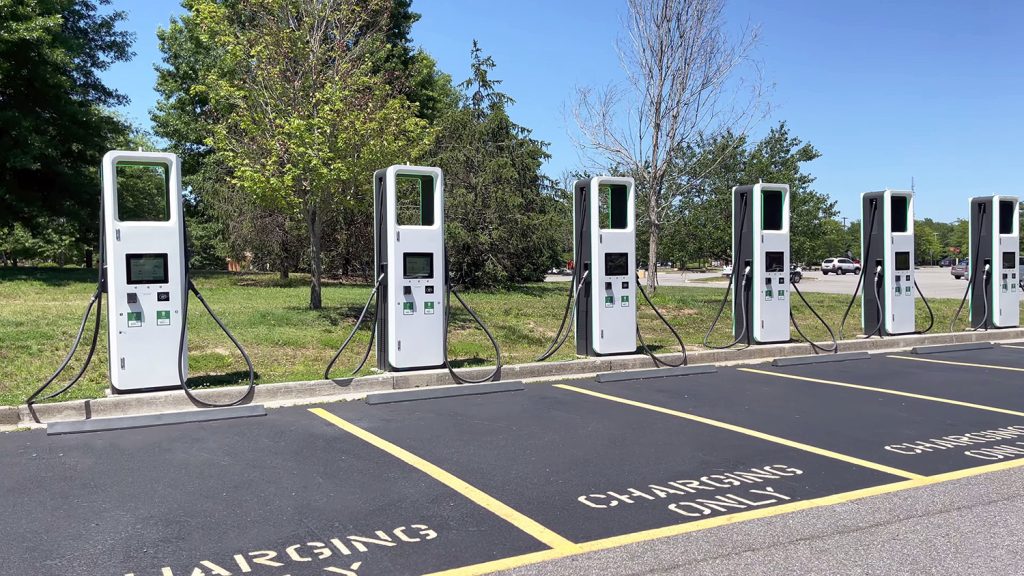
EV Charging Stations in parking lot

One of the key challenges in designing EV charging stations is making sure that they are safe to use. This requires the use of high-quality, reliable components that are designed to withstand the demands of the charging process. Part engineering plays a crucial role in this by ensuring that the components used in the charging stations are tested and certified to meet safety standards.

Another important aspect of part engineering in EV charging stations is the development of charging connectors. These connectors are used to connect the vehicle to the charging station, and they must be designed to be both user-friendly and safe to use. Part engineers work to design connectors that are easy to use, durable, and resistant to damage and wear.

In addition to safety and usability, part engineering also plays a role in designing EV charging stations to be energy efficient. This means designing components that use minimal energy to perform their function and that are designed to minimize energy loss during the charging process.

In conclusion, part engineering plays a crucial role in the design and development of EV charging stations. Our engineers work to design safe, user-friendly and energy-efficient charging stations that will meet the needs of EV owners, and help to further the adoption of this sustainable mode of transportation.

To learn more about EV charging station design for both residential and commercial use, contact our office at 801-990-1775.

Contact Us


Civil Engineering Services Now Available at Vector Engineers for Commercial and Residential Site Development

Vector Engineers has built its reputation on responsive structural engineering services for commercial, residential, industrial, solar, telecom, and specialty projects across all 50 states and parts of Canada for over 20 years.

Now, we are expanding our capabilities with the launch of our new Civil Engineering division, providing site development and infrastructure design services throughout the western United States.

For architects, developers, and contractors, this means fewer consultants to manage and better coordination between site and structural design from the beginning of a project.

To lead this expansion, we recently welcomed Morgan Sandberg to the Vector team. Morgan joins us from Keller Associates and brings extensive experience in commercial site development, grading and drainage design, utility coordination, stormwater management, and permitting support.

Our civil engineering services include:

  • Site planning and layout
  • Grading and drainage design
  • Stormwater management
  • Roadway and parking lot design
  • Utility design for water, sewer, and storm systems
  • Coordination with local jurisdictions and permitting agencies

By offering both structural and civil engineering services, we can help clients simplify communication, reduce coordination issues between multiple firms, and keep projects moving more efficiently through design, permitting, and construction.

“If structural engineering focuses on how a building stands, civil engineering focuses on how the entire property functions,” said Morgan. “Before construction even begins, civil engineering helps determine where the building sits on the site, how vehicles access the property, where utilities connect, how drainage is handled, and how the project moves through permitting.”

For contractors and architects, those early site decisions can directly impact project schedules, permitting timelines, construction costs, and long-term functionality.

Civil engineering and structural engineering team at Vector Engineers discussing commercial site development plans, grading and drainage design, stormwater management, and infrastructure coordination for construction projects in the western United States.

Civil engineering helps answer key questions early in the development process:

  • Where should the building sit on the property?
  • How will stormwater and drainage be managed?
  • Where should parking lots and drive aisles be located?
  • How can utilities connect efficiently to city systems?
  • How can the site be designed to meet local requirements while remaining practical to build?
  • How can we use existing topography to create an aesthetically pleasing design, and minimize earthwork?

Our new civil engineering division will primarily support commercial developments throughout the western states, while also assisting residential projects that require site planning, grading, drainage, utility coordination, or permitting support.

"Structural and civil engineering often work hand-in-hand. One designs the structure; the other ensures all plans and designs result in a site that is functional, buildable, and compliant. Bringing both together under one roof creates a much smoother process for our clients and helps reduce unnecessary coordination between multiple firms," Morgan explained.

This integrated approach allows our team to identify issues earlier, improve communication across disciplines, reduce costly revisions, and help projects move from concept to construction with fewer delays.

As Vector continues to grow, our focus remains the same: responsive service, practical engineering solutions, and helping clients solve construction challenges before construction begins.

If you are planning a commercial or residential development project and need coordinated structural and civil engineering services, our team is ready to help.

See Our Locations

info@vectorse.com